
Why Franchise Opportunities for Entrepreneurs Are Booming
Franchise opportunities for entrepreneurs are booming. The Canadian franchise industry alone generates approximately $68 billion annually across over 78,000 franchise units. This massive market represents 35% of all goods and services sold in Canada, making franchising one of the most accessible paths to business ownership today.
Top franchise opportunities for entrepreneurs include:
- Service-Based Franchises – Home services, cleaning, pet care (low overhead, recurring revenue)
- Food & Beverage – Quick-service restaurants, coffee shops, healthy concepts (proven demand)
- Health & Wellness – Fitness studios, massage therapy, youth sports (growing market)
- Business Services – Consulting, marketing, financial services (scalable models)
- Automotive – Maintenance, repair, detailing (consistent demand)
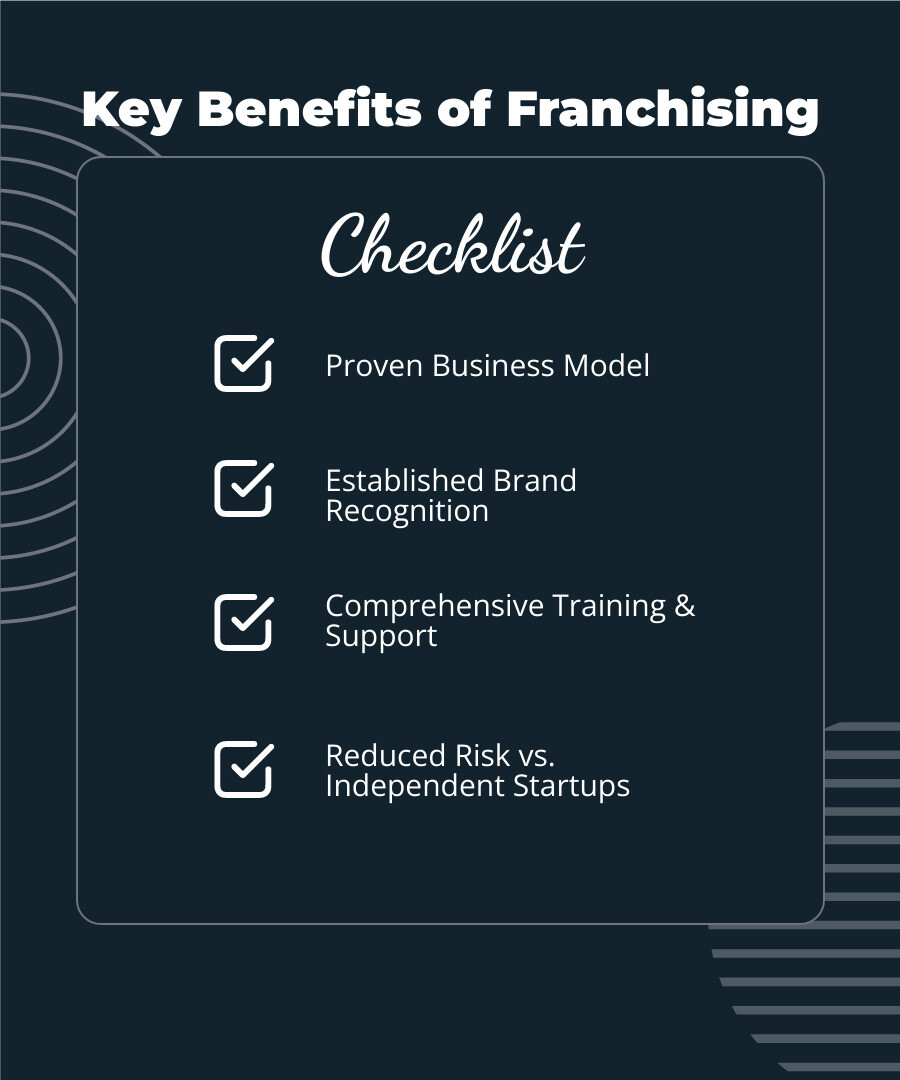
The appeal is simple: franchising allows you to be “in business for yourself, but never by yourself.” Unlike starting from scratch, you get a proven business model, established brand recognition, comprehensive training programs, and ongoing support systems.
However, success requires more than just picking a popular brand. The key lies in finding the right fit for your skills, financial situation, and lifestyle goals. As one franchise expert notes, “Almost any business can be franchised if the owner sets it up to be franchised,” but not every franchise is right for every entrepreneur.
I’m Max Emma, a Certified Franchise Executive (CFE) and founder of Main Entrance Franchise Consulting. Having built my own national franchise system and worked as both a franchisor and franchisee, I’ve helped countless individuals find successful franchise partnerships.
Why Franchising is a Smart Move for Entrepreneurs
Exploring franchise opportunities for entrepreneurs means owning a business without starting from scratch. It’s like getting a proven recipe instead of inventing one through trial and error.
Franchising’s beauty is its proven concept. Franchisors have already tested and perfected their systems, making the mistakes so you don’t have to. This means lower risk compared to a new startup, where many entrepreneurs learn expensive lessons the hard way.
Built-in brand awareness is another huge advantage. Customers already know and trust a recognized franchise name, giving you a massive head start over an unknown business.
The ongoing support is unparalleled. You get comprehensive training programs on everything from operations to service. Franchisors also provide continuous education, marketing, and operational guidance. You also tap into the network strength of fellow franchisees who can share solutions.
The scalability potential is also exciting. After mastering one location, you can often expand, leveraging your experience and the proven system to build a larger business with a safety net.
As we explore in The 4 Freedoms That Motivate Successful Franchise Owners, franchising requires a specific mindset. It may feel restrictive if you like to adapt your business model on the fly. Successful franchisees excel at executing a proven plan, trading some creative freedom for security and reduced risk.
Assessing Your Personal Fit for Franchising
Before diving into franchise opportunities for entrepreneurs, it’s crucial to determine if franchising is right for you. A poor match can turn a dream into a nightmare, no matter how popular the brand.
Ask yourself: Are you comfortable following a system? Franchising requires adhering to brand standards, procedures, and marketing guidelines. If you naturally resist rules, franchising might be a challenge.
Successful franchisees possess key entrepreneurial traits. They are self-motivated and resilient but also value proven systems. They can shift from a hands-on operator to coaching vs. managing a team, and potentially mentor others as they grow.
Your risk tolerance is also key. Franchising reduces risk but doesn’t eliminate it. You’re still making a significant investment and taking on responsibility. You must be comfortable trading freedom for security.
Consider your desired work-life balance. Some franchises offer flexibility as manager-run models, while others are demanding, especially at startup. Ensure the business aligns with your lifestyle goals.
The key is honest self-reflection. Understanding your strengths, weaknesses, and expectations upfront can make the difference between franchise success and disappointment.
Understanding the Financial Commitment
Understanding the financial side of franchise opportunities for entrepreneurs is critical. Investment requirements vary dramatically, so you must know what you’re signing up for.
Your initial investment covers the franchise fee, real estate, equipment, inventory, and working capital. The range is vast: a pet waste management franchise like DoodyCalls might require $76,450 to $93,850, while a KFC Canada franchise can demand over $650,000.
Royalty fees are ongoing payments to the franchisor, typically a percentage of gross sales (e.g., Algorithmics charges 12%). You’ll also likely pay for marketing, technology, and renewals. These are mandatory costs.
Franchisors have strict net worth requirements and liquid capital (cash or easily converted assets) levels. For example, Dryer Vent Wizard requires $30,000 in liquid capital and a $100,000 net worth. This ensures you can cover costs until profitability.
The Franchise Disclosure Document (FDD) is your most important document. Financial Performance Representations (FDD Item 19), if included, provides financial data from existing units. This offers invaluable insight into potential earnings.
These numbers aren’t just statistics—they represent your financial future and peace of mind.
Top Franchise Opportunities for Entrepreneurs by Industry
The landscape of franchise opportunities for entrepreneurs is diverse, with options to match any interest, skill, or investment level. The industry includes everything from traditional stores to home-based and mobile businesses.
Here are some popular and promising franchise industries:
1. Service-Based Franchises
Service-based franchises are booming due to lower overhead, recurring revenue, and high demand. They meet essential needs for residential and commercial clients, making them economically resilient.
- Home Services: This includes niche businesses like Dryer Vent Wizard, which has no national competitors and a home-based model. Other examples are custom deck building (Hickory Dickory Deck) and home inspections (AmeriSpec Inspection Services).
- Cleaning & Maintenance: From residential cleaning to commercial janitorial services like Jan-Pro (with a personal contribution as low as $2,500), these franchises offer consistent demand.
- Pet Care: The pet industry is robust. DoodyCalls operates in the $3.5 billion pet waste management market, offering recurring revenue and semi-absentee ownership.
- Senior Care: An aging population drives consistent growth for in-home senior care franchises, which offer vital support and a meaningful business opportunity.
These businesses are attractive as they often don’t require a storefront, reducing costs and increasing flexibility.
2. Food and Beverage Franchises
Food franchises are a cornerstone of the industry with enduring appeal. The sector is diverse, extending far beyond fast-food giants.
- Quick-Service Restaurants (QSRs): Globally recognized brands like KFC Canada offer established systems and supply chains. The investment is substantial ($650K-$1M+), but you gain immense brand recognition.
- Coffee Shops & Cafes: Concepts like Ben & Florentine (requiring a personal contribution of $250,000) or Columbus Café & Co. offer popular gathering spots.
- Specialty Food Concepts: Unique offerings like Maverick’s Donuts, Pizza Factory, and The Häagen-Dazs Shoppe Company are well-known brands with established customer bases.
- Casual Dining/Brewpubs: For a larger investment, concepts like 3 Brasseurs (with a personal contribution of $600,000) offer a full dining experience.
The key advantage is leveraging existing infrastructure, brand awareness, and proven concepts, which significantly reduces risk.
3. Health and Wellness Franchises
The health and wellness sector offers compelling franchise opportunities for entrepreneurs, driven by an increasing focus on well-being. It’s a growing $33 billion industry.
- Boutique Fitness Studios & Gyms: This rewarding category ranges from traditional gyms to specialized studios. For example, Redline Athletics serves the growing youth athletic development market for children aged 8-18.
- Massage Therapy & Personal Care: The $16 billion massage industry includes franchises like Massage Addict, which offers recurring revenue models, and Squeeze, which uses technology for a modern guest experience.
- Youth-Focused Services: Beyond sports, franchises like School of Rock (music education) and Algorithmics (STEM programming for kids) cater to the consistent demand for child-related services.
These franchises attract entrepreneurs passionate about community impact and offer a chance to be part of a thriving market.
How to Evaluate and Choose the Right Franchise

Finding the perfect franchise opportunities for entrepreneurs requires aligning your skills, finances, and goals with the franchise’s culture. It’s a critical decision, so it’s important to get it right.
Choosing a franchise can feel overwhelming. With so many moving parts, it’s easy to get lost. But the best franchise isn’t the most popular one; it’s the one that fits you perfectly.
Key Factors to Consider Before You Invest
When evaluating franchise opportunities for entrepreneurs, start with the fundamentals. These non-negotiables separate a solid investment from a costly mistake.
First, look for a replicable business model. The concept must be easily duplicated across locations while maintaining consistency. The franchisor should have detailed manuals and tools to ensure this.
Scalability is also key. The model must adapt to different locations and customer habits. Thorough market research is crucial to understand demand in your territory. For example, the $3.5 billion pet waste management industry has many underserved, scalable markets.
Franchisee satisfaction is a telling indicator of a healthy system. Look at independent rankings like Franchise Business Review’s “Top 200 Franchises.” These are based on franchisee surveys about support, leadership, and financial opportunity, and brands can’t pay to be listed.
Also, call current franchisees. Ask about their operations, relationship with the franchisor, and if they’d do it again. These conversations provide insights you won’t find in a brochure.
Finally, assess franchisor stability and brand strength. A strong franchise has a financially stable parent company with a proven track record. Brand strength provides a competitive advantage from day one.
The Importance of the Franchise Disclosure Document (FDD)
The Franchise Disclosure Document (FDD) is your best friend during evaluation. This legal document contains everything needed for an informed decision—it’s the franchise’s complete biography.
- Item 7 details all startup costs, including the franchise fee, equipment, and working capital. It provides a realistic range for your total initial investment.
- Item 11 outlines the training and support you’ll receive, including initial and ongoing programs, operational assistance, and marketing resources.
- Item 20 contains franchisee data, including contact info for current and former franchisees. This is your golden ticket for validation calls to get unfiltered insights.
- Item 21 contains the franchisor’s financial statements, revealing the company’s financial health. Look for a franchisor with solid financials and a history of growth.
Understanding the FDD is crucial. Fit matters more than flash, and the FDD helps you assess that fit objectively.
If you’re wondering What is a Franchise Consultant?, know that a good consultant will walk you through every important section of this document, helping you understand what it all means for your specific situation and goals.
The Role of Advisors in Your Franchise Journey

Navigating franchise opportunities for entrepreneurs alone is like assembling complex furniture without instructions. You might get it done, but the result could be flawed. A team of trusted advisors is essential.
You are the quarterback of your franchise journey and need an expert team. Too many entrepreneurs stumble without proper guidance, making costly, avoidable mistakes.
Assembling Your Team of Experts
Your advisory team is your personal board of directors. Franchise consultants like me act as your guide, asking tough questions and providing a realistic perspective on opportunities.
A franchise lawyer is non-negotiable. Don’t use a general practice lawyer; you need a specialist in franchise law to review the FDD and ensure you understand the agreement.
An accountant is crucial for analyzing financials. They’ll help you understand FDD Item 19, structure your investment wisely, and provide a realistic view of revenue projections.
Mentors who have owned a franchise or small business offer invaluable real-world perspective. They can be both a reality check and a cheerleader.
Working with a Certified Franchise Executive (CFE) adds another layer of credibility. You can learn more about the Advantages of Working with a Certified Franchise Executive (CFE) and why this designation matters when choosing your professional guidance.
How a Consultant Helps Find the Best Franchise Opportunities for Entrepreneurs
As your franchise consultant, I don’t just provide a list of brands. We start by asking the most important question: what do you want from this investment?
- Defining goals is a crucial first step. We explore your lifestyle dreams, financial capacity, and your ‘why.’ The hottest trend might be the wrong fit for you.
- Personalized matching is next. I filter through hundreds of franchise systems to present opportunities that fit your specific situation.
- Vetting opportunities means looking past marketing materials at franchisor stability, support, and operational demands. I help you understand the reality of being a franchise owner.
- Asking the right questions is key to due diligence. I equip you to have meaningful conversations with existing franchisees that reveal the truth about ownership.
- Avoiding common pitfalls is a key value I provide. I help clients avoid falling for a brand name or impressive revenue numbers without considering the actual fit and required work.
- Navigating due diligence is less overwhelming with a structured approach. We work through the FDD, conduct strategic validation calls, and ensure your decisions are fact-based.
Our compensation model aligns with your success. We’re paid by the franchisor only when you find the right match, so our loyalty is to you. We’re not here to sell; we’re here to help you find the right fit and release your inner boss.
Frequently Asked Questions about Franchising
The world of franchise opportunities for entrepreneurs can feel overwhelming. Here are answers to the most common questions I receive, to help you move forward with confidence.
How much control will I have as a franchisee?
This question gets to the heart of franchising: the balance of independence with following a proven system. You have more control than you might think, but within guidelines that benefit you.
As a franchisee, you run your own business. You make daily decisions on hiring, local marketing, and customer service. Your entrepreneurial spirit is essential.
The difference is you work within tested brand standards and operational guidelines. These are like guardrails, keeping you on the path to success by ensuring consistency and protecting the brand reputation.
Many systems also offer creative input opportunities. The best franchisors have advisory councils where franchisees contribute ideas. Many successful innovations start with a franchisee’s great idea.
It’s not about giving up your entrepreneurial drive—it’s about channeling it within a framework that’s already proven to work.
What kind of support can I expect from the franchisor?
Franchisor support is a key benefit of the model. The comprehensive, ongoing support is like having a built-in mentor, training department, and marketing team.
- Initial training is intensive, covering everything from operations to service. For example, Dryer Vent Wizard provides classroom and hands-on field training.
- Ongoing education via webinars, conferences, and updated materials keeps you current. The franchisor is invested in your success and continuous growth.
- Marketing support is a game-changer. You benefit from national campaigns, professional materials, and proven strategies, and some franchisors even provide leads.
- Technology platforms, like POS systems and proprietary software, streamline operations.
- The peer network is also invaluable. As one Maverick’s Donuts franchisee said, “Being part of the franchise system is like having an extended family; we never feel alone.” This community is a great resource for advice and support.
How long does the process of buying a franchise take?
The process of buying a franchise can take anywhere from a few weeks to several months. Rushing this process is never a good idea.
- The findy phase (1-2 weeks) is where we define your goals and financial situation.
- Research and due diligence (4-8 weeks) involves diving into the FDD, speaking with current franchisees (validation calls are essential), and having your lawyer and accountant review everything.
- Financing, if needed, can add several weeks or months to the timeline.
- The final legal review and decision phase takes 1-2 weeks. Your lawyer reviews the final agreement before you commit.
While it’s tempting to rush, take the time you need for this significant investment. A thorough evaluation prevents costly mistakes. Good franchisors will respect your need for due diligence.
Choosing the right franchise opportunities for entrepreneurs is about finding the perfect fit for your unique situation, not just finding any opportunity quickly.
Conclusion
Exploring franchise opportunities for entrepreneurs is about releasing your inner boss with a proven roadmap. As we’ve seen, franchising offers the chance to be in business for yourself, but not by yourself.
Structured entrepreneurship balances the excitement of ownership with the security of a tested system. You get entrepreneurial freedom within a proven framework, complete with brand recognition, training, support, and a peer network.
Personal fit is more important than popularity. A hot trend won’t guarantee success if it doesn’t align with your skills, finances, and lifestyle. That’s why self-assessment is so critical.
The importance of due diligence is paramount. The FDD is your look into the franchise’s health and performance. Validation calls with existing franchisees provide the unfiltered truth about owning the business.
Most importantly, you don’t have to steer this alone. Expert guidance can prevent costly mistakes. At Main Entrance Franchise Consulting, our role is to cut through the noise, find opportunities that truly fit, and guide you through the process.
The right franchise partnership can be life-changing. It’s about finding the sweet spot where your spirit, investment, and goals align with a sustainable business.
Ready to explore franchise opportunities for entrepreneurs that match your entrepreneurial spirit? Learn more about our franchise buying services and start your journey today.